Group memberships (and the social identities that we derive from being part of groups) act as a psychological resource, if these memberships are seen as positive and if we identify with them.
Just the simple knowing that we belong to a group, we internalize them as part of ourselves and our identity.
“The more the merrier“ - the more we belong to groups that are important to us, the more resources for our health we have
But the positive effects of multiple group memberships are only unlocked if people identify with their groups, and if multiple groups are compatible.
Minimal conditions where there are no other group members present: Strip the context of the most obvious benefits that groups membership brings, which is social support
If identity is a resource, more identities should be associated with more resources.
Study:
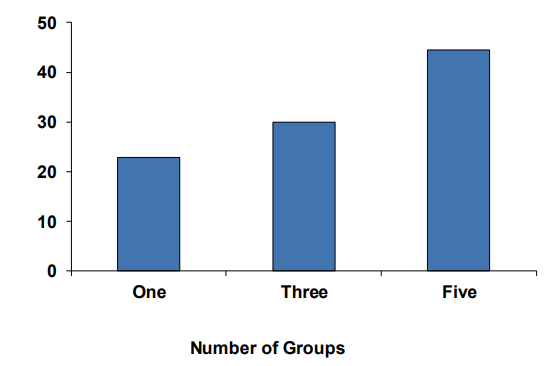
56 students taking part in a “mental and physical acuity task” and wrote about 1, 3 or 5 identities (e.g., student, Australian, young, gender)
Main dependent measure:
Persistence measured with seconds that participants held their hand in a bucket of ice-cold water (0 to 2 degrees Celsius)
Results:
If students thought about more groups that were important to them, they could last longer with their hand in the bucket - they became more resilient