Role of physiotherapists in the treatment of exercise addiction
Physiotherapists can play an essential role in both prevention and treatment of exercise addiction.
Their contribution is not only related to managing physical injuries but also to addressing the psychological and behavioural components of compulsive exercise.
Collaboration with other health care professionals
Effective treatment for exercise addiction often involves a multidisciplinary approach, including psychologists, dietitians, and medical doctors.
Physiotherapists can play an integral role in this team by providing physical care and helping to monitor the client's progress during recovery.
Working with a mental health professional, physiotherapists can help address any underlying psychological issues contributing to the addiction, such as impaired interoceptive awareness.
Injury prevention and management
Physiotherapists can:
identify signs of overtraining or injury
create safe exercise programs that promote recovery.
Educating patients about the importance of rest, proper technique, and gradual progress helps prevent physical harm from excessive exercise.
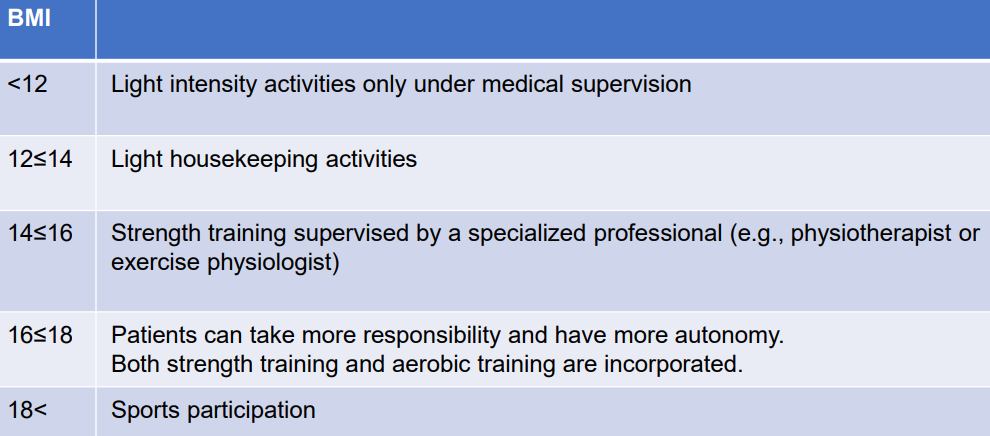
Guidelines to prevent injuries or complications based on BMI
Initial assessment
Comprehensive physical evaluation: identify signs of overuse injuries (e.g., tendinitis, stress fractures, muscle strains, joint issues). This involves evaluating range of motion, posture, muscle strength, and movement patterns.
Screen for red flags: Look for signs of overtraining syndrome, which are also indicative of physiological distress from excessive exercise.
Overuse
Overuse happens when a specific body part is exposed to repetitive stress without enough recovery.
Worse with activity, better with rest (at least early on)
Think: “This tissue is being asked to do too much, too often.”
Overtraining
Overtraining is a whole-body condition caused by excessive training load + insufficient recovery over time.
Scope: Systemic (affects multiple systems)
Cause: Chronic imbalance between stress and recovery
Symptoms:
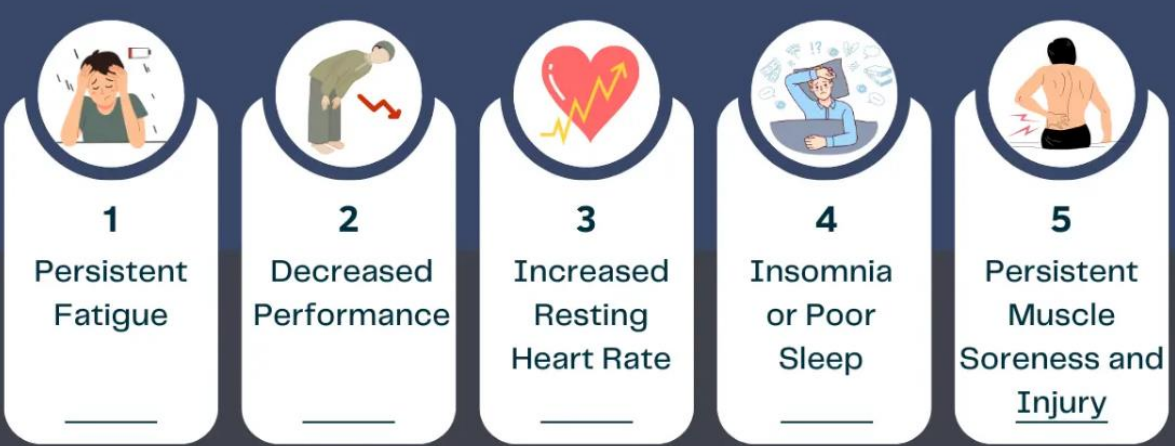
Persistent fatigue
Decline in performance
Sleep disturbances
Mood changes (irritability, low motivation)
Increased illness risk
Think: “The whole system is overwhelmed.”
5 signs of overtraining
Differences between overuse and overtraining
However, they often co-exist:
Overtraining → poor recovery → ↑ risk of overuse injuries
Persistent overuse pain → altered training → contributes to systemic fatigue
Education on injury prevention
Rest and recovery:
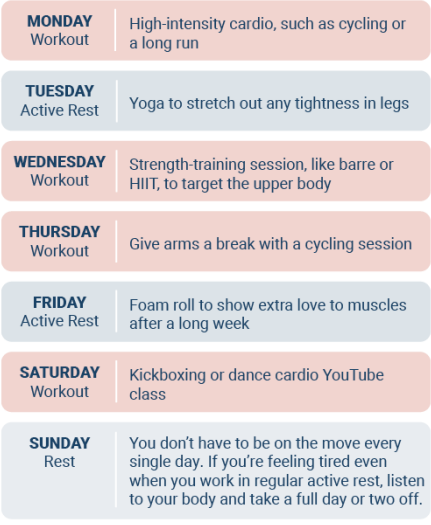
Teach the importance of incorporating rest days and active recovery into the training schedule. Evidence suggests that periodization (cycling between high and low-intensity exercise phases) reduces injury risk and promotes long-term performance.
Cross-training:
Recommend incorporating low-impact activities (e.g., swimming, cycling, yoga) to reduce the strain on joints and muscles while still maintaining fitness.
Tailored exercise plans
Design individualized exercise regimens that take into account the person’s injury history and current fitness level. Integrate strength training for the core and lower extremities to support joints and flexibility exercises to improve mobility and prevent overuse injuries.
Incorporate joint stability exercises (e.g., proprioceptive training using balance boards) to improve coordination and muscle engagement, reducing strain on overworked areas.
Gradual reduction of exercise
Physiotherapists can help, in consensus with the patient, to gradually reduce the exercise intensity and frequency in a structured manner.
This can involve:
developing personalized rehabilitation plans that include rest periods
low-impact exercises
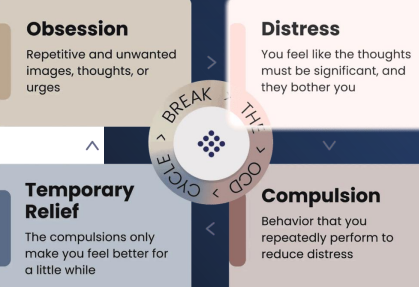
alternative activities to break the compulsive cycle.
Reaching a consensus is priority
Collaborative goal setting
The essence is to come to a consensus about the goals with your patient!
What is acceptable for the both of you?
In order to come to a consensus:
work with the patient to set realistic, achievable goals for reducing exercise intensity, grounded in their current fitness level and psychological state.
SMART goals (Specific, Measurable, Achievable, Relevant, Time-bound) are useful here – these are not physically inactive patients who (re-)start.
Set incremental exercise volume reduction goals, for example as a thumb rule, reducing time spent exercising by 10-20% each week. This could include reducing the duration of training sessions or the frequency of high-intensity workouts.
Monitor progress
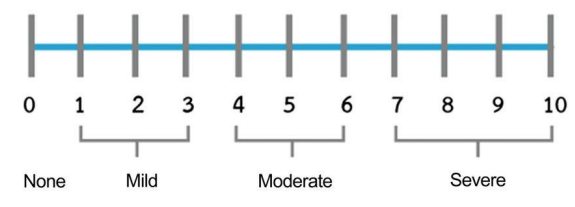
Regularly assess the patient's physical and emotional responses to reduced activity. You can use Numeric Rating Scales.
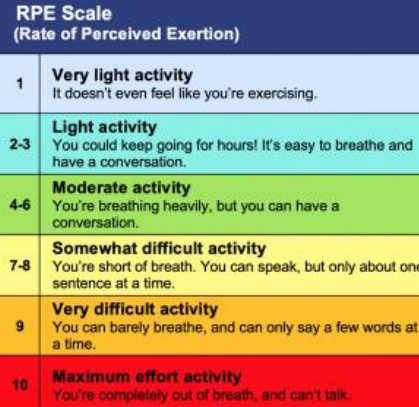
Use tools like the Borg Rating of Perceived Exertion (RPE) to monitor exercise intensity when reducing the intensity in a second stage and ensure that the patient is not pushing beyond their physical or emotional limits.
Alternative activities
Suggest alternative forms of exercise (e.g., yoga or walking) that are less intense but still promote movement.
Mindfulness-based practices such as Tai Chi can help reduce anxiety, which is often a trigger for compulsive exercise.
Introduce strength training when being excessively engaged in aerobic exercise or vice versa.
Psychological support
Attention might need to be paid to the positive reinforcing effects of exercise, with cessation of activity potentially negatively impacting mood in a manner that requires targeted treatment, collaboration with a psychologist might be an option.
Consider introducing stress reduction techniques and if needed sleep hygiene advise.
Support and motivation
Physiotherapists should offer ongoing support and guidance to help patients set realistic goals, motivate them to follow recovery plans, and build healthier habits in terms of exercise, stress management and sleep.
Positive reinforcement, promoting sustainable fitness habits, and encouraging patients to focus on their overall health and well-being can help them avoid falling back into compulsive behavior.