A 75-year-old women has been referred to you for “reconditioning”. You have a first appointment with her today, and discuss her goals for an exercise program. The women indicates that her goal is to remain functionally independent for as long as possible. She has been informed by her doctor that she is currently suffering from osteopenia and that she has an increased risk of developing osteoporosis. She also indicates that her balance is not so good, and that she is therefore afraid of falling and breaking her hip.
On further questioning:
She denies chest pain, palpitations, or syncope
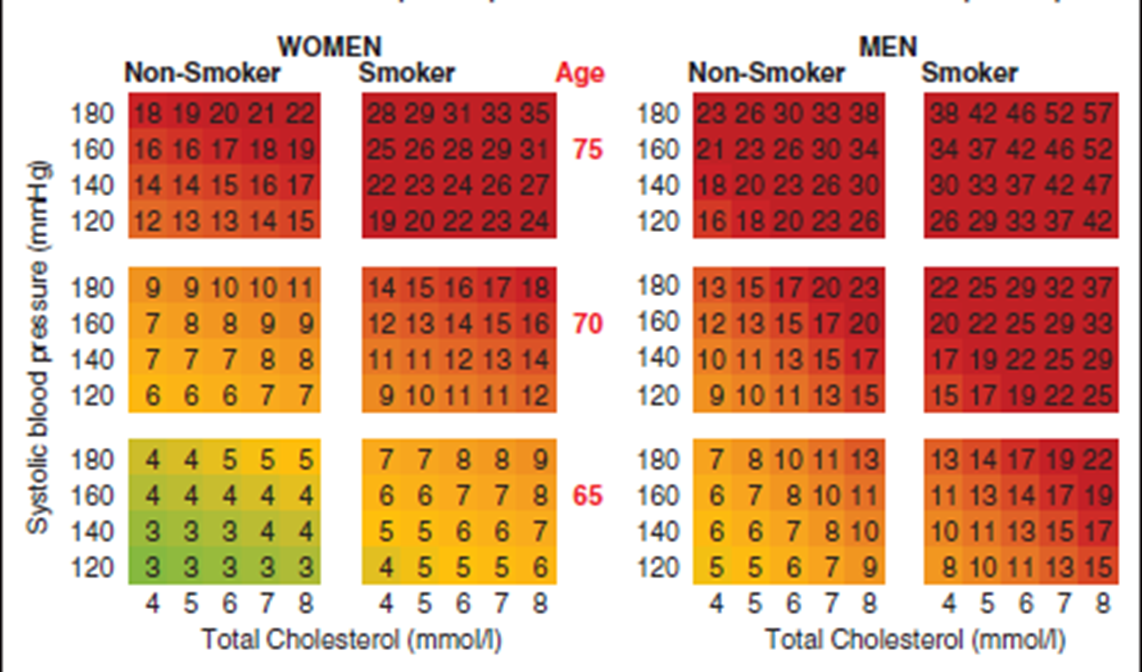
She has hypertension, well controlled with medication, no other known CV risk factors
She is sedentary and has never done any regular exercise or sports
She had a resting ECG taken by her GP 6 months ago as part of regular FU which was normal
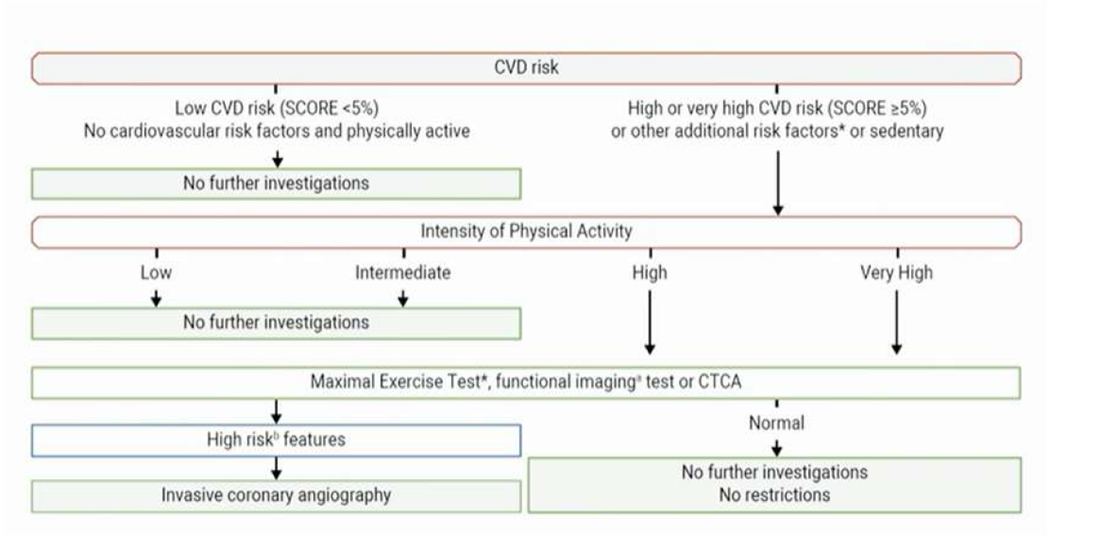
According to ESC pre-participation screening and cardiovascular risk stratification, what is the most appropriate next step before initiating her exercise program?
Initiate a low-to-moderate intensity, supervised exercise program without further cardiac testing
Now imagine she would enroll in a high intensity interval training study after she has been training with you for the last 3 months, 3 times per week. Would that change your recommendation?
Yes
Score op -> high risk patient
needs a CPET or ECG
Which exercise modality?
Cardio | Weight-bearing activities/impact where possible
Dynamic resistance training
Important for functionality
To strengthen bone mass
To improve balance
Balance training | Avoid falling
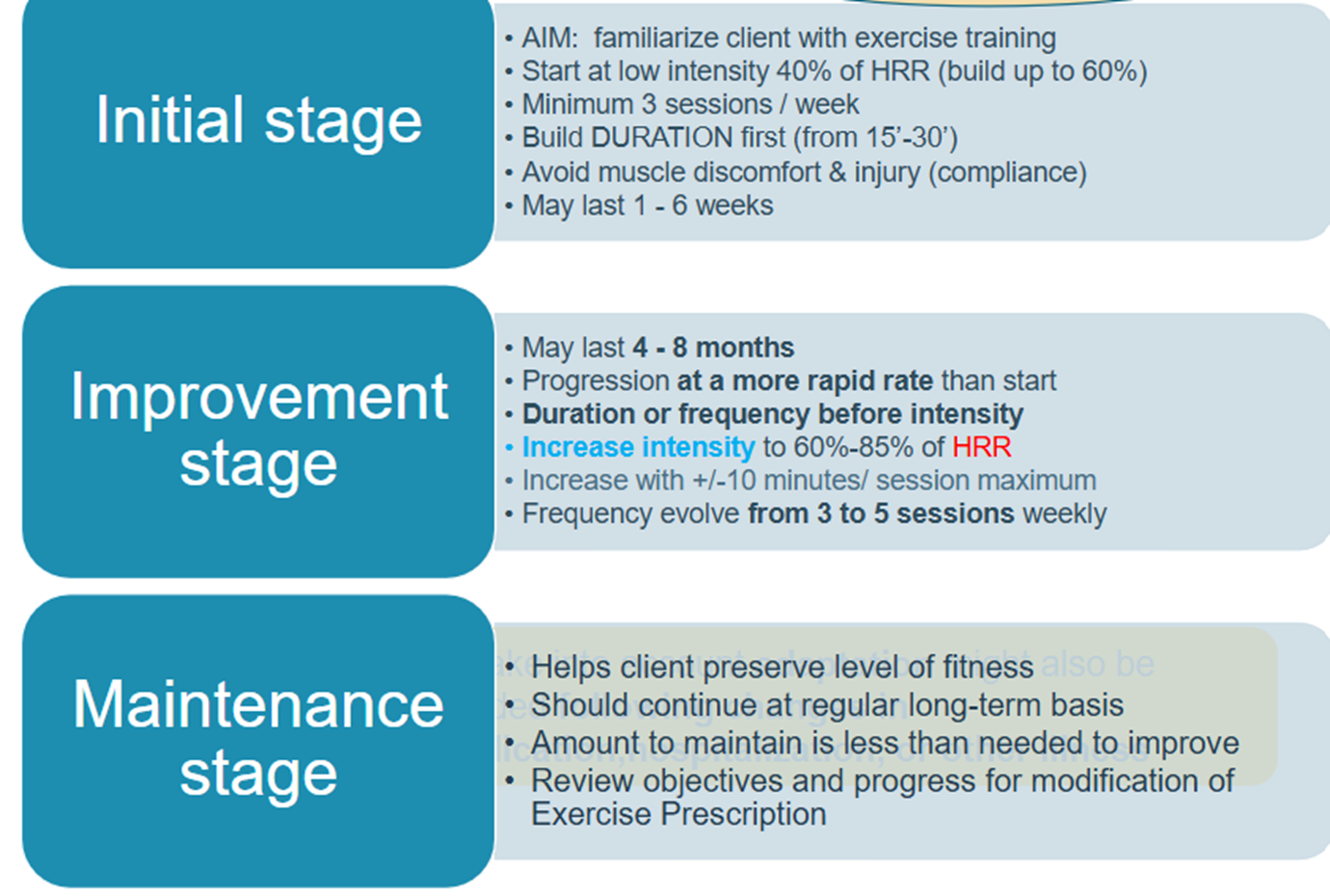
So, what would be on your exercise program for the next few weeks
Frequency
Low: start 2x/week, but gradually increase to minimal 3 times per week
Focus on success experience | creating a habit
Progression: don't go too fast!
Type: Not too much variation to keep it 'fun', rather build trust by repeating
Sit to stand / elastic bands on chair, tip toes,….
Low load & controlled speed
Agonists – antagonists
Number of exercises: limited (e.g. 6 in total)
Focus LL, basic UL
2 sets /exercise
During the subsequent weeks she is training under your supervision she occasionally reports shortness of breath during exertion but attributes it to “age and deconditioning.” She has no known history of coronary artery disease. During a cycling session, she suddenly collapses and becomes unresponsive.
What is the most likely underlying cause of sudden cardiac arrest in this patient?
Coronary artery disease leading to ventricular arrhythmia
You check and notice there is no breathing. What is the most appropriate immediate action?
Call emergency services and start CPR with AED use
Which preventive strategy is most effective in reducing mortality from such events in a private practice?